
During the first week of December 2025, the Center hosted a new type of event. The “Best Practices Lab” worked to provide participants with tangible policies and practices to take back to their operations by the end of the day. Provider organizations from across the TACFS network were invited to bring one staff member with decision-making authority, one staff member responsible for lived experience (LEX) engagement, and one person with lived experience.
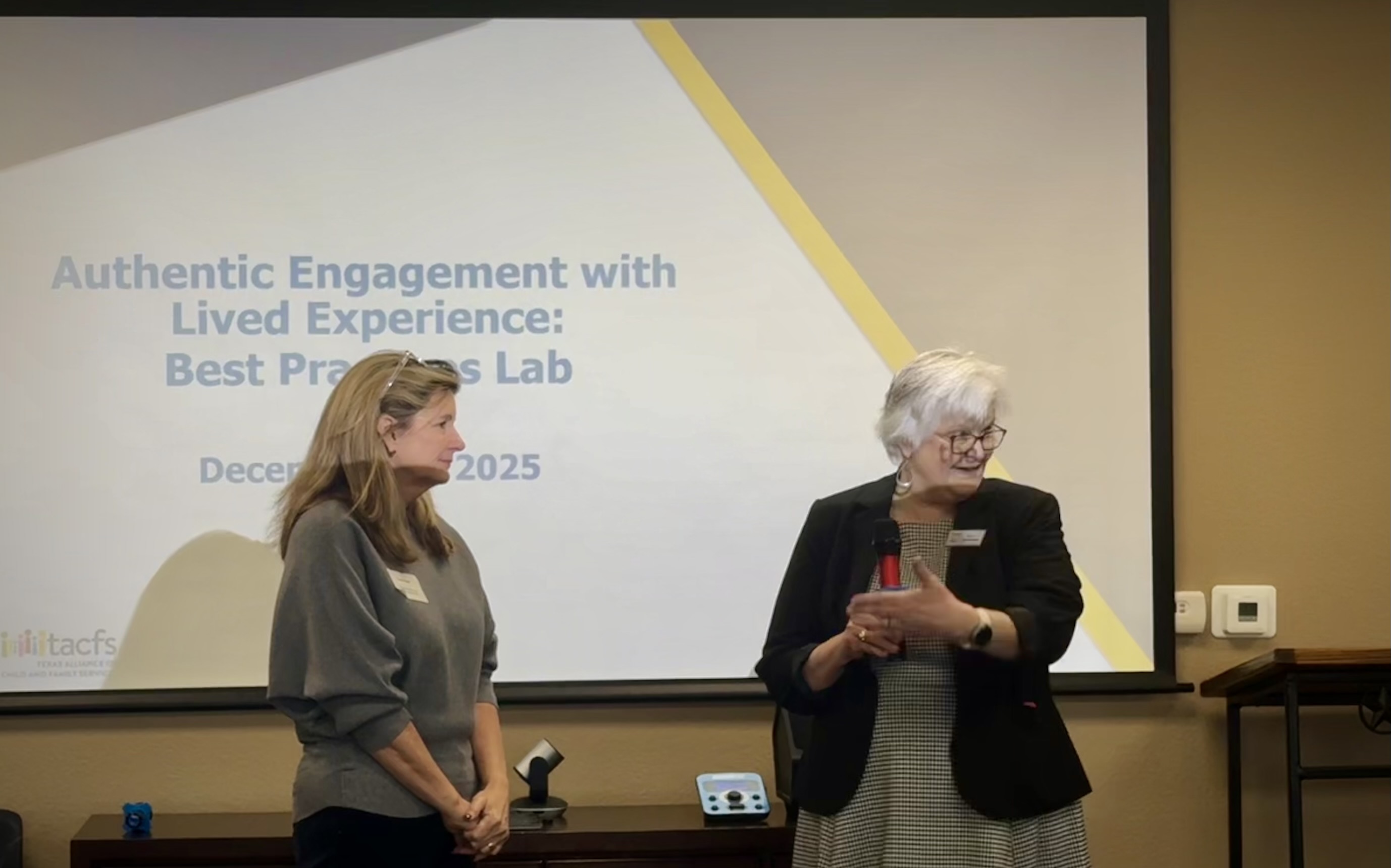
TACFS Youth Impact Specialist Lakya Lewis said, “We believe our busy community-based providers appreciated both hearing from people with lived experience and having a hands-on role in building a highly effective culture of including lived experience in what they do.”
“We’re hoping to ignite the flame of shared power across our continuum where an authentic exchange of ideas can occur,” she added.
Panel of Living Experts
To kick off the day, a panel of three living experts shared their experiences by being asked to tell their stories, to share insight on working with the State and provider organizations, and more. Each of the panelists said they appreciate being included in opportunities to influence policy change, but with some caveats.
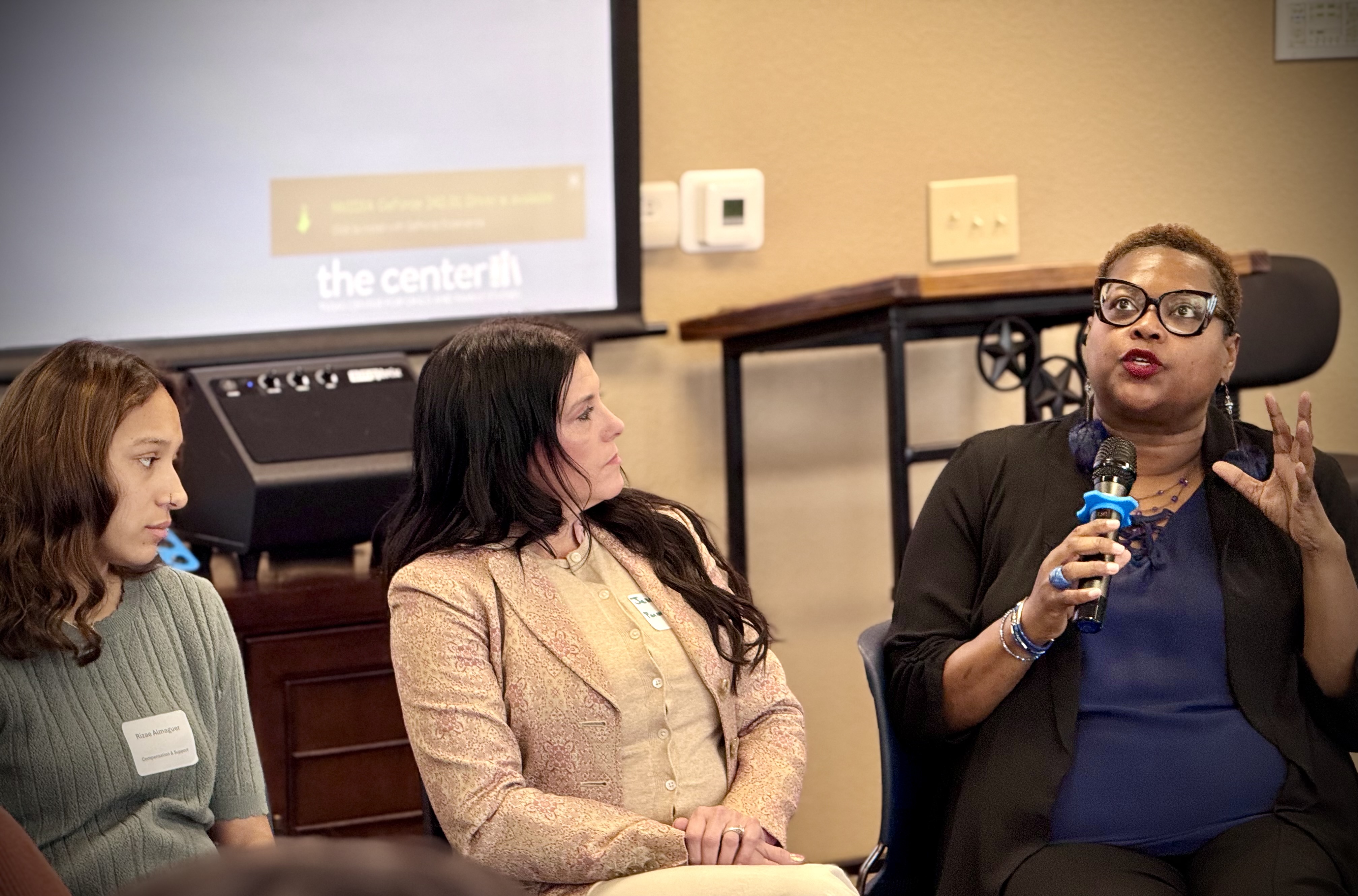
Rizae, a young mom who aged out of foster care, said, “If [youth with lived experience] don’t come to you, definitely go to them because they may be shy.” She believes that many young people with foster care experiences might like to be asked to participate in system advancement work but may not be as outgoing as others.
But there’s a kind and appropriate way to introduce them and set them up to tell their stories.
“This is something very dear and special to our hearts,” said Teri, a living expert panelist and stepped in to parent her young grandchildren as a kinship caregiver.
“It’s nice to feel like you are really valued and that we’re not being used for our story,” she continued.
All of the living expert panelists have had some negative experiences from feeling exploited for their stories to being belittled for their previous system involvement.
“It’s hard to come into a room like this and not feel inferior…but [living experts] can open your eyes to a new perspective,” said Jessica. She’s another living expert panelist with past CPS involvement both as a child and with her own children while she battled drug addiction.
Both Rizae and Jessica are now employed with child and family welfare provider agencies. And Teri provides consulting for the harrowing kinship licensure process.
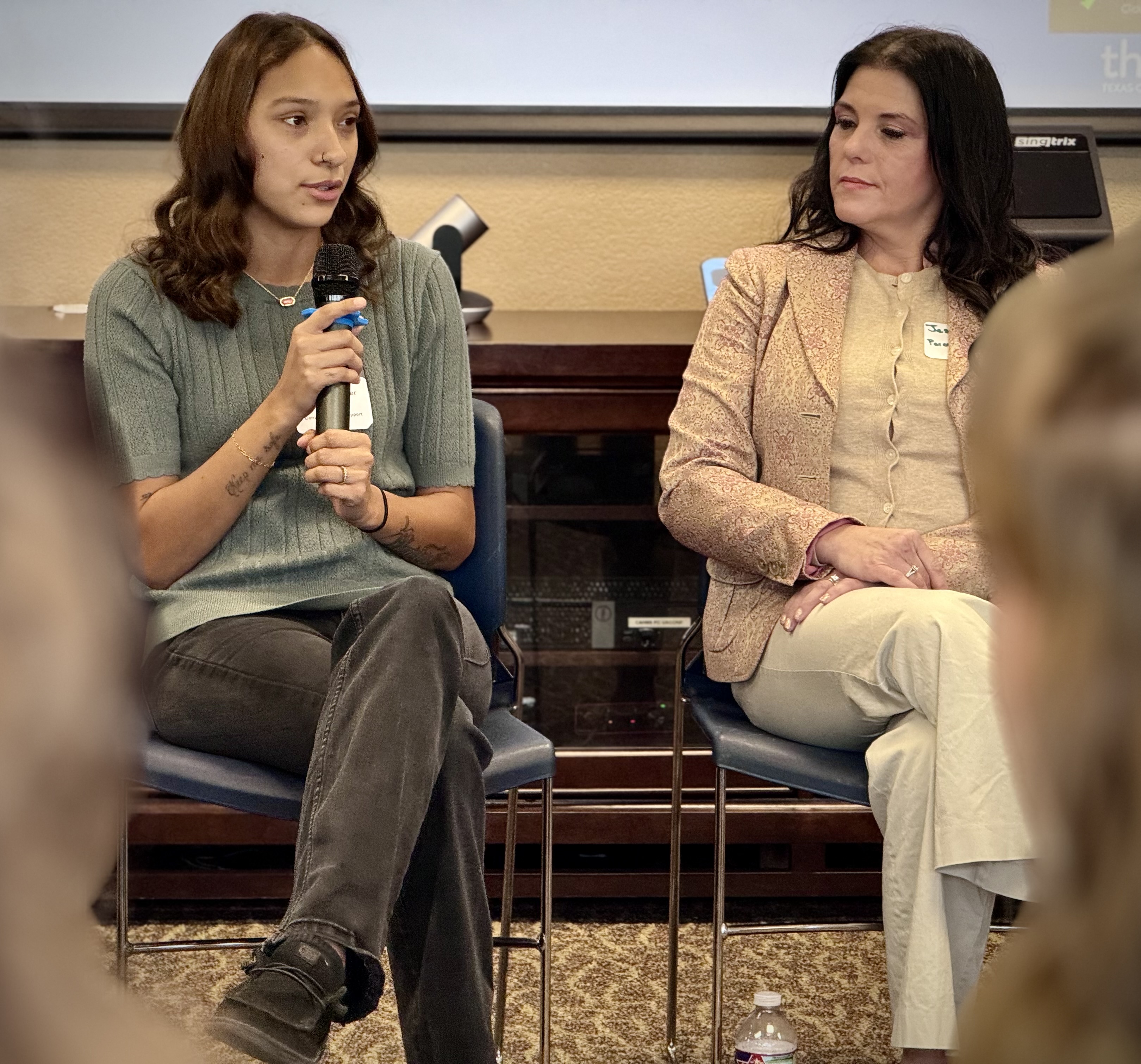
They are met with nods of agreement from other living experts in attendance when they speak about telling their stories carefully, the lack of compensation and professional development in our system, and the need for peer support at provider agencies.
What’s Next
After breaking out to discuss their ideas on best practices around things like compensation, ethical storytelling, and skill development, the group came back together to share out and compare notes. One idea participants liked: employing living experts. The concept of building a career and leadership pipeline for living experts was accepted by all as a best practice for organizations to develop.
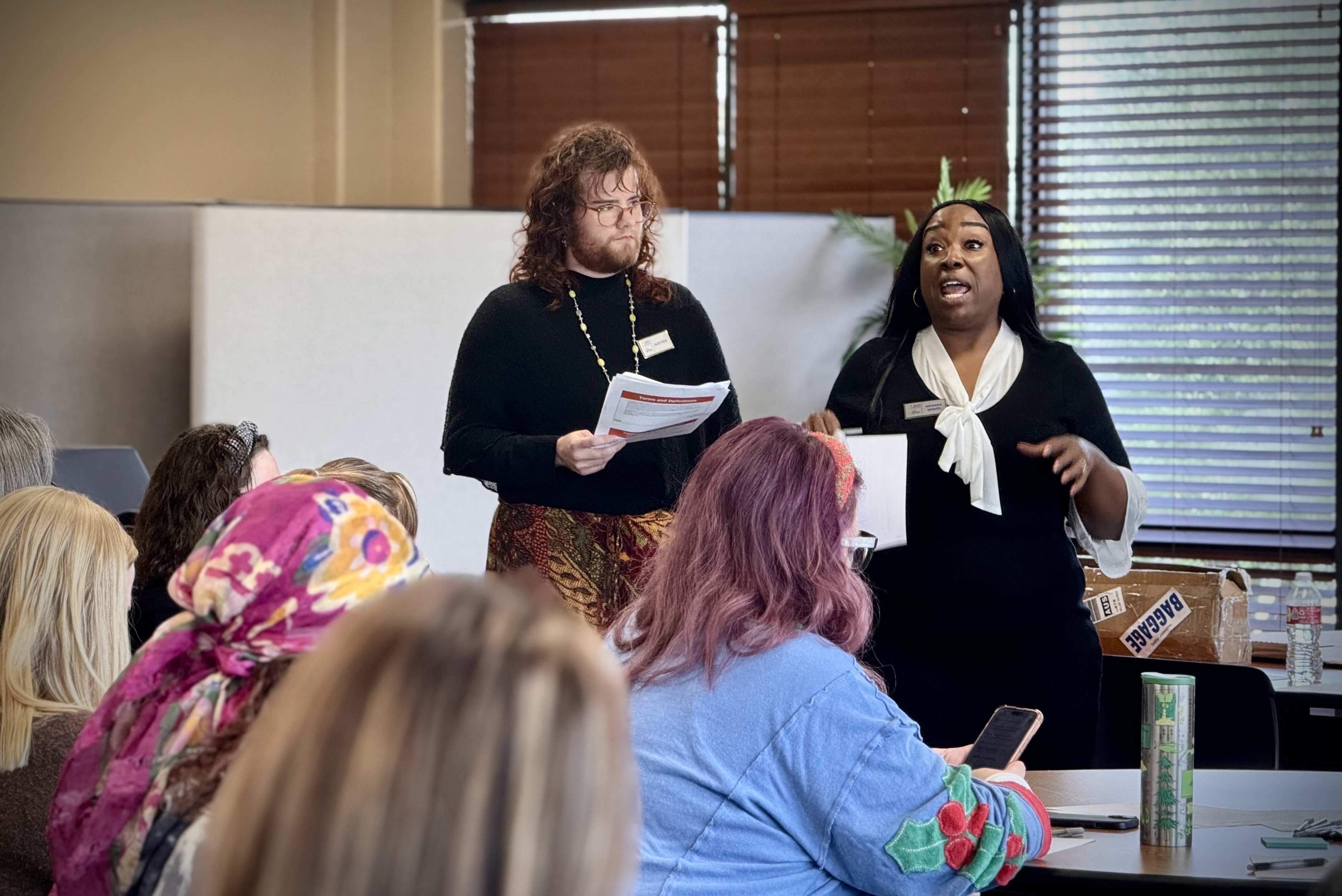
The group also agreed that any work requested from people with lived experience should be compensated rather requesting that the person volunteer their labor. By the end of the Lab, staff teams from the operations present huddled to discuss policies and practices that make sense for their specific situations.
In the first part of 2026, TACFS staff will share a guide to best practices compiled from the Lab and other sources. Providers will be able to use the guide in their own programs as they prioritize LEX engagement.