
This week in Austin, TACFS, supported by Casey Family Programs, convened child welfare leaders for the AI in Child Welfare Symposium, focused on how artificial intelligence is beginning to show up across the field.
The symposium brought together executives, program staff, and operational leaders from across the continuum to hear from AI experts, learn from early adopters, and discuss real-world applications already in use within provider organizations.
Across sessions, the conversation centered on three areas: how organizations are currently using AI, what they are learning in the process, and the operational and cultural considerations that come with it.
AI as a Tool, Not a Replacement

Alex Salas, CEO of Social Capital Projects, noted, “Your expertise is not replaced by a chatbot.”
That framing carried throughout the day, particularly in discussions about maintaining human oversight. He emphasized the importance of keeping a “human in the loop” when using AI tools, especially in high-stakes environments like child welfare.
Provider Panel: Current Use and Early Outcomes
A panel of providers shared how their organizations are currently engaging with AI, offering insight into both practical use cases and early outcomes.
One recurring theme was that AI adoption is already underway, often informally.
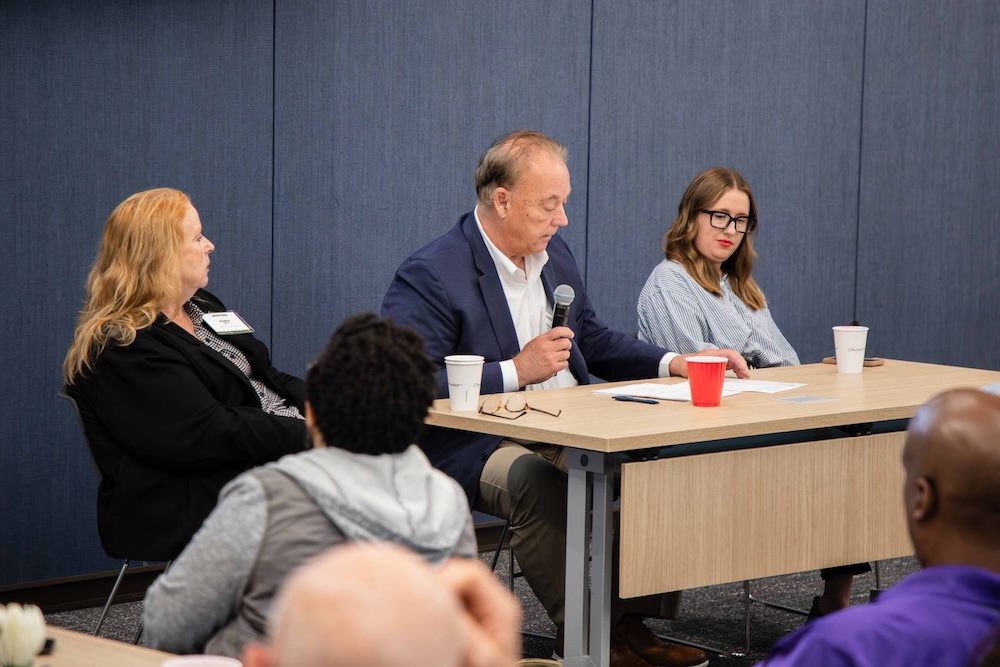
Gabrielle Meyer, an executive at Miracle Foundation, explained, “Your team is already using these tools. We built the policy with that assumption.”
Panelists described a range of approaches to managing this reality:
- Creating structured environments for experimentation
- Hosting regular training or learning sessions
- Creating structured environments for experimentation
Several organizations described starting with small-scale applications, such as drafting documents, summarizing information, and organizing internal data.
Richard Nedelkoff, CEO at Boy’s Ranch, emphasized this incremental approach, noting, “Start with little things… when you start small, it just grows.”
His organization has embraced AI to build efficiencies across departments.
Reported Impacts: Time and Efficiency
Panelists also shared early observations about the impact of AI on staff workflows.
Angela Nowell, Chief of Staff at the Texas Family Initiative, said that her organization has seen productivity rise and overtime lower with the introduction of AI tools such as an internal chatbot for staff.
The panel offered that embracing this technology has reduced time spent on administrative tasks, has allowed for faster access to internal policies and procedures for staff, and streamlined documentation processes for caseworkers.
One case highlighted during the discussion referenced an estimated savings of approximately three hours per week per caseworker, allowing staff to redirect more time to the families they serve.
Implementing this technology hasn’t been without its challenges.
Panelists discussed instances where public AI tools were restricted after concerns arose about staff entering sensitive information. Their organizations identified the need to develop a secure internal system that meets compliance standards while providing clerical relief to staff.
Broader Context: Capacity and System Pressures
Justin Brown, former Oklahoma HHS Commissioner, founder of the Center for Civic Futures and Global True North, provided additional context to the day by situating AI within broader system trends in health and human services.
He described increasing demand for services alongside ongoing workforce constraints, noting that these pressures are shaping how organizations evaluate new tools and approaches.
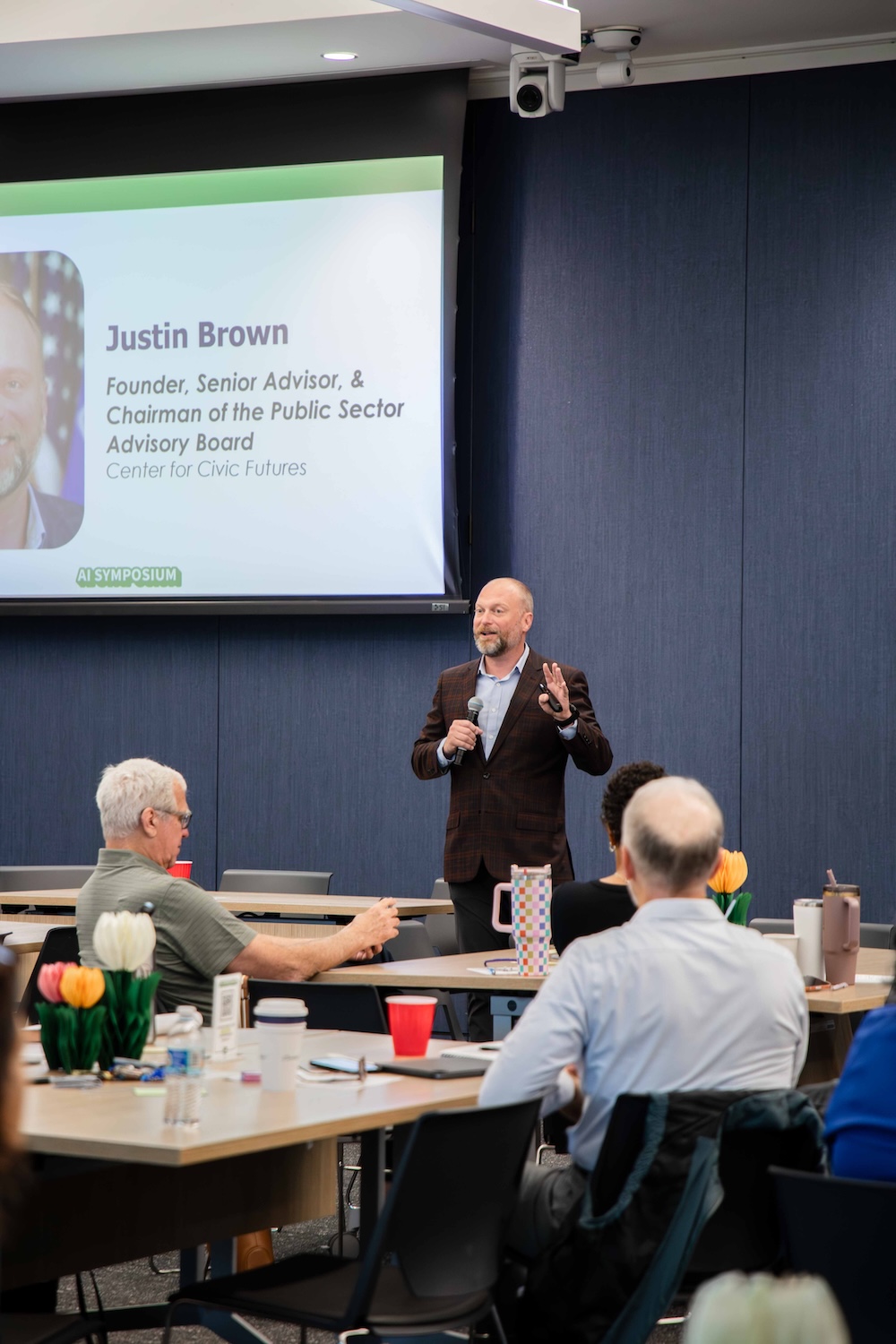
“We are at the beginning of the most consequential technology revolution in our lifetime… we are at inning two,” said Mr. Brown.
He also outlined several areas where AI is already being applied across public sector settings, including case summarization, document processing, and policy analysis.
What’s Next for Providers
In his presentation, Mr. Brown connected AI to longstanding capacity challenges in the field. He described a system where demand continues to grow while frontline staff are already stretched thin and managing high caseloads alongside significant administrative responsibilities. Without a shift in how that work is supported, he noted, “Without meaningful disruption coming from technology, we will never stray from that system.”
Many organizations are continuing to assess how AI fits within their operations and mission but left the day with tools and resources to begin. And TACFS is already exploring ideas for upcoming webinars opportunities for the provider community to engage with AI.